Tag: Benefits Of Jojoba Oil

  • What Is Jojoba Oil – A Natural Oil With Amazing Benefits
    What Is Jojoba Oil – A Natural Oil With Amazing Benefits

    What Is Jojoba Oil – A Natural Oil With Amazing Benefits

    What Is Jojoba Oil?
    What Is Jojoba Oil?

    Jojoba oil has long been a staple in the beauty industry because it has been proven to moisturize the skin, nourish hair and even help reduce inflammation.

    You’ve probably heard of jojoba oil. Maybe you’ve even tried it. If so, you’re already familiar with its benefits but might not know much about Jojoba. So, let’s find out What Is Jojoba Oil? and what its potential benefits are? We’ll talk about the history of jojoba Oil. We’ll also talk about how you can use jojoba oil to improve your health and look younger.

    What Is Jojoba Oil Made From?

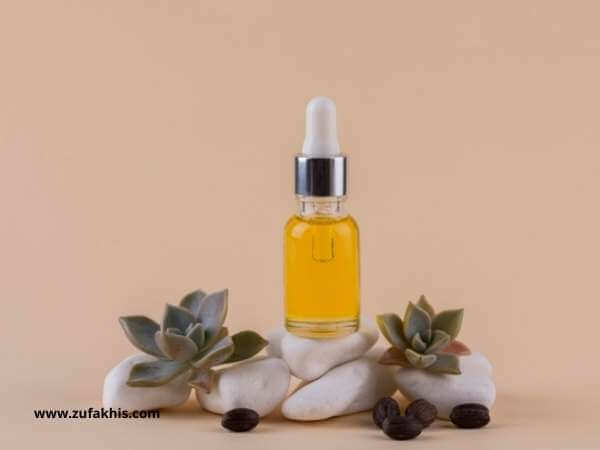
    Jojoba oil is derived from the seeds of the Jojoba Plant, native to the Sonoran desert of Northern Mexico and Southern California. This oil is made from the liquid wax found in jojoba seeds. Jojoba has a unique chemical structure and properties. This is primarily due to its high wax content. Jojoba is in the Semi-Solid or Solid Oil when extracted from the plant.

    What Are The Benefits Of Jojoba Oil?

    01. Jojoba Oil For Skin

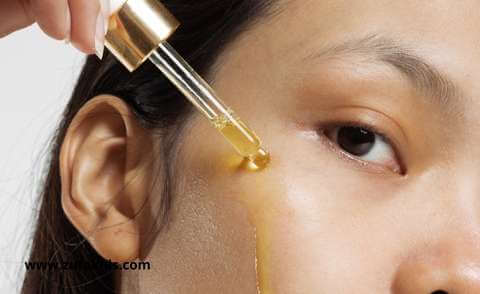
    Jojoba oil has many benefits for the skin, including Moisturizing, Softening, and Healing. Its Vitamin E content makes it good for preventing premature aging and the signs of aging on your face.
    what is jojoba oil

    Jojoba oil has a thick consistency like butter and a slightly spicy aroma. It is also used to treat Dry and Cracked skin because of its moisturizing qualities. Jojoba oil may also act as a moisturizer for dry skin and as a humectant, keeping the moisture locked into the skin longer than water alone. It absorbs easily into the skin and also provides some protection against free radicals.

    Its high content of Linoleic Acid (an essential fatty acid), Omega-6, Lignoceric Acid, Squalene, and Vitamin E. Vitamin E and lignoceric acid are both powerful antioxidants, and they protect the skin against UV rays. Squalene is also an antioxidant, but it protects against cell damage caused by free radicals.

    02. Jojoba Oil For Hair

    Jojoba Oil provides moisture to the hair, combing dryness, dandruff, and itchiness and strengthening the hair. It improves breakage resistance and helps shine hair as well.

    Shampoo and Conditioning products also add jojoba oil during the formation process, also help to clean the scalp and reduce excess oil. It also helps remove split ends, eliminate dandruff, and treat dry scalp.

    What is jojoba oil

    Vitamin A, C, E, Mineral, Omega 3, etc., can eliminate frizz naturally, and you can also directly use 2 to 3 drops of oil on your hair to detangle your hair.

    03. Jojoba Oil For Nails And Cuticles

    Because of its moisturizing benefits, it helps nails and cuticles to moisture. For your fingernails and toenails, jojoba oil helps keep them soft and flexible, protects them from bacteria, and promotes growth. Because jojoba oil is a non-greasy substance, it works best if applied before going out.

    04. Jojoba Oil For Lips

    Jojoba oil is known for its soothing and moisturizing effects on the skin. Now, its use in Lip Balms, Lip Scrubs and lipstick is becoming more widespread. This oils help to prevent dryness on the lips and can help to prevent cracking and peeling.

    05. Anti Inflammatory Property

    Jojoba oil can be used topically and internally as an anti-inflammatory agent. Its effects include reducing Swelling, decreasing Joint pain, treating Arthritis and Rheumatism, and alleviating Skin Ailments like Eczema and Psoriasis.

    Jojoba oil has been shown to relieve Itching, Dryness, Irritation, and Inflammation.

    06. Soothes Sunburns

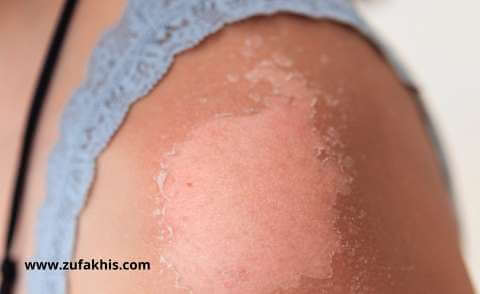
    Sunburn isn’t just a painful condition for the skin; sunburn damages our cells. Sun exposure increases levels of Oxidant molecules, which damage cells and proteins. When sun exposure is excessive, it causes redness and blisters. These sunburned cells, along with blisters, need extra attention to heal and prevent infection.
    What Is Jojoba Oil2

    Jojoba Oil with a unique chemical structure that has been shown to prevent the damaging effects of UV radiation. It is particularly helpful when used topically for this purpose. It acts as a barrier between the skin and damaging sunlight and is known to aid healing. It reduced the severity and duration of sunburns while improving overall skin moisture.

    07. Antioxidant Properties

    Jojoba Oil offers Antioxidant Properties because it contains Vitamin E, which helps reduce Inflammation in your body and skin. It helps to maintain a youthful and healthy appearance. 

    Antioxidant properties also help to improve Elasticity and Moisture to fight the body against Aging. It is more helpful if you are exposed to UV Rays and Cigarette smoke to protect against skin cancer.

    Jojoba Oils’ antioxidant properties help fight against signs of aging that have been observed in other studies. It’s been suggested that this oil can effectively decrease redness in areas with Inflammation and moisturize the skin. It’s also been recommended that jojoba oil be applied to areas of the skin that need extra moisture and help prevent dryness.

    08. Fights Against Fungi And Infections

    Because of its Antimicrobial, antifungal, and anti-inflammatory properties, it helps to treat toenail fungus, warts, and athlete’s foot.

    A study proved it reduces symptoms of Inflammation in rats’ ears and paws.

    09. Helps Acne Prone Skin

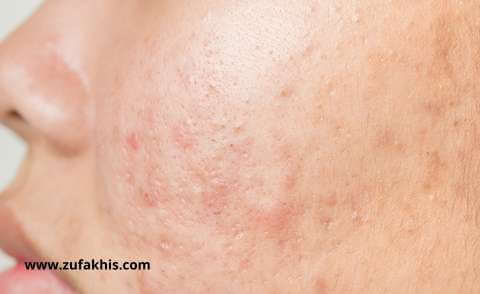
    Jojoba oil is one of the best oils that help reduce the amount of sebum and, therefore, help prevent clogging of the pores and the resulting oiliness. The oily Sebaceous Glands help the skin to moderate sebum production.
    what is jojoba oil3

    Jojoba oil is useful in treating acne because it works very well to prevent the bacteria that leads to acne from taking hold. Once that takes place, it’s much harder to treat. Jojoba oil has been found to kill all sorts of bacteria. It is anti-inflammatory and so helps keep the Inflammation of acne at bay.

    10. Wound Healing Properties

    Vitamin B has a lot of benefits for the body. It acts as an antioxidant that helps fight off free radicals and cell damage. It helps to treat skin reactions from therapy and speed up wound and cut healing. Jojoba oil offers one more benefit delaying the appearance of wrinkles, dark spots, and premature aging.

    11. Provides Hydration

    Jojoba oil has powerful effects on the skin, particularly moisture. Researchers compared the skin moisturizing properties of jojoba oil to those of conventional, everyday cosmetics such as eye cream and skin cream.

    Jojoba oil was found to provide much better hydration than other products, helping reduce the appearance of fine lines and wrinkles and the appearance of dry, flaky skin. Jojoba oil’s ability to provide intense hydration was especially apparent in areas that are prone to dryness, including the knees, elbows, and heels.

    12. Helps Prevent Appearance Of Fine Lines

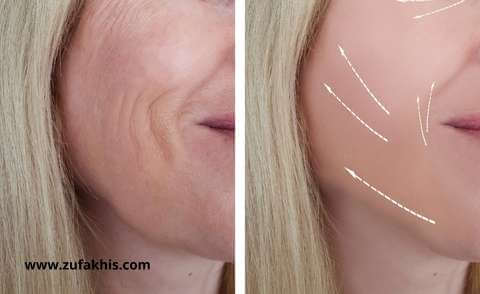
    The fact is, your skin isn’t really what makes it look older. Sure, it does need hydration, but wrinkles, sun damage, age spots, and even freckles are more often caused by lifestyle than genetics. Jojoba oil is one of the richest sources of vitamin E in nature and incredibly moisturizing oil. Plus, when you put it on your face, you’re not only keeping your skin looking youthful but also fighting against signs of aging with a natural, healthy solution.
    What Is Jojoba Oil5

    Jojoba oil is used in some creams, lotions, and even lip balms. In addition to moisturizing the skin and helping prevent wrinkles, jojoba oil can protect the skin from environmental and sun damage.

    13. Helps To Fade Stretch Marks & Scars

    Jojoba oil can help fade Stretch Marks and Scars because it is very similar to human sebum and provides protection and moisture to the skin. Jojoba oil contains vitamin E and omega-3 fatty acids, believed to improve the skin’s barrier function.

    14. Helps To Prevent Burns

    Because of its Anti-inflammation properties, it helps prevent burns and heals up quickly. 

    To avoid shaving mishaps such as nicks and cuts, apply jojoba oil to your skin before shaving to prevent razor burn. Not only will it keep your skin soft and smooth, but the moisturizing properties will prevent irritation from friction during the shave. Additionally, jojoba oil can be applied after shaving to keep your skin from drying out too quickly. 

    15. Natural Makeup Remover

    Jojoba oil is commonly used for moisturizing skin, but it’s been a secret weapon of makeup removal for centuries. In ancient Japan, women applied jojoba oil directly onto their eyelids to remove eye makeup before bed. In this modern age, makeup artists recommend using it on areas of the face and neck where makeup can be stubborn. When properly formulated, jojoba oil removes all but the toughest mascara.

    Potential Side Effects Of Use Of Jojoba Oil

    Jojoba oil is typically safe for most people, even pregnant or breastfeeding women. 

    But if a person is allergic to Jojoba Oil, it can show rash, allergy in the form of itching, and hives. 

    It is not advised to consume by mouth as it contains the chemical Erucic Acid, which seriously affects health conditions. It can cause a serious heart attack. Patch test before any application.

    Is Jojoba Oil Effective?

    With all the hype surrounding jojoba oil as a skin moisturizer, you may wonder whether it works as advertised. To begin with, the oil can’t penetrate deep into the skin like water-based products, but it can soften the skin and help it heal faster. Jojoba oil can also be absorbed better than traditional oils like olive oil and coconut oil, making it more effective. Still, some experts don’t recommend using jojoba oil alone to treat acne.

    There are numerous ways to incorporate jojoba oil into your lifestyle, from adding it to your foods to using it in skin care products and even as a hair conditioner. 

    Conclusion | What Is Jojoba Oil

    In conclusion, Jojoba oil is produced from jojoba seeds, a bean family member. They are known for producing a type of oil similar to human sebum, but it is much less acidic and is used more frequently than human sebum. Jojoba oil is generally considered an excellent alternative to other oils for use in cosmetics because it is non-comedogenic.

    Jojoba oil is used for various skincare, cosmetic, and health concerns. It is a remedy for burns, scars, acne, psoriasis, eczema, and dry skin. It is used for internal and external use, including as a massage oil and to help hair growth, because it is rich in fatty acids that provide nutrients for healthy skin, hair, and nails.

    FAQs | What Is Jojoba Oil

    What is jojoba oil?

    Jojoba oil obtained in liquid form, extracted from the seeds of the desert shrub, Simmondsia Chinensis. It is used for a variety of skincare, cosmetic and health concerns.

    How jojoba oil work?

    Jojoba oil penetrates the skin quickly, allowing it to moisturize and soften. It also helps to relieve pain.

    What are the benefits of jojoba oil on the skin?

    Jojoba oil can be used on the skin to soften dry and cracked skin, moisturize the skin and soothe irritated and damaged skin. It can also help reduce the appearance of fine lines and wrinkles. Jojoba oil can also be used as a skin lightener. It can be applied to areas of the face prone to sunburn or dark spots, such as the nose or forehead.

    Can you use jojoba oil as a hair conditioner?

    Jojoba oil is used as a moisturizer for the skin, but it can be used as a hair conditioner as well. It can be used as a leave-in conditioner and leave-in treatment for hair.

    Is jojoba oil safe to use on babies?

    Jojoba oil is safe to use on babies. It’s one of the few oils that won’t irritate.

    What is jojoba oil used for?

    Jojoba oil is used for skin care, hair care problems, and in many personal care products, including cosmetics, shampoos, soaps, lotions, and moisturizers.

    How much jojoba oil should I use?

    Use a small amount of jojoba oil in your daily moisturizer or body lotion. A few drops in your bath water are also a good way to use jojoba oil.

    What does jojoba oil do for your skin?

    Jojoba oil helps moisturize your skin, which makes it softer and more supple.

    What is jojoba oil good for?

    Jojoba oil is great for the skin because it contains natural, highly beneficial antioxidants. It’s also a powerful moisturizer; many people use it as a hair treatment to keep it soft, shiny, and strong. It’s also known to relieve itching, dryness, and inflammation, making it useful in treating psoriasis.
  • What Are The Benefits Of Jojoba Oil On The Skin

    What Are The Benefits Of Jojoba Oil On The Skin

    What Are The Benefits Of Jojoba Oil On The Skin?

    What Are The Benefits Of Jojoba Oil On The Skin
    What Are The Benefits Of Jojoba Oil On The Skin

    Jojoba Oil is a natural moisturizer that provides excellent emollient properties for dry and damaged skin.

    There are many reasons to use jojoba oil as a beauty product. It’s inexpensive and easy to find at your local drugstore or Beauty Supply Shop. It’s a great moisturizer for dry skin and lips. And it has anti-aging properties. But did you know that jojoba oil can also help improve the overall health of your hair and nails? Here are six reasons you should use jojoba oil to give your hair and nails some much-needed hydration.

    This article will give you a brief overview of jojoba oil’s benefits on your skin. I’ll try to give you the answer about “What Are The Benefits Of Jojoba Oil On The Skin?”

    What is jojoba oil?

     Jojoba oil is derived from the seeds of the desert shrub, which grows in Arizona and New Mexico. Jojoba comes from two Spanish words meaning “dew of heaven.” The plant is also known as the “poor man’s almond tree.” Jojoba oil is often used to treat skin conditions like psoriasis and eczema. It is thought to improve blood flow and skin elasticity and promote hair growth.

    Benefits of Jojoba oil for skin

    Jojoba oil is gaining popularity among beauty consumers who want to protect their skin. One of the reasons why Jojoba oil is so popular is that it’s been shown to improve skin conditions. When applied topically, it can help soften rough spots and even decrease the appearance of age spots. Lets read about “What Are The Benefits Of Jojoba Oil On The Skin?”

    Helps to Keep Acne/ Pimples At Bay

    Jojoba oil, in particular, is said to help keep acne and pimples at bay. It has been found to reduce the formation of blackheads and whiteheads while at the same time encouraging healthy skin. In addition, it will even help treat existing acne if used as part of a treatment plan. 

    Boost Skin’s Glow

    What Are The Benefits Of Jojoba Oil On The Skin 1

    Here’s a secret to getting healthy skin. Jojoba oil has the highest concentration of vitamin E of any plant oil. It can help boost the skin’s glow. Jojoba oil is the most stable oil on the market; it’s been used as a natural remedy for centuries. It helps protect against free radical damage, reduces inflammation, and promotes cellular renewal. Jojoba oil can be applied to the skin as a moisturizer or mixed with other oils or emulsifiers to create a lotion.

    Calms Sunburns

    “Jojoba oil is used to prevent the formation of sunburns on the skin,” said Dr. John Fudacz, MD, a dermatologist in Beverly Hills, California. “This is because it contains a substance called Vitamin E. When the skin is exposed to UV radiation, Vitamin E is destroyed, resulting in the formation of sunburns. So using jojoba oil will prevent the formation of sunburns.”

    Cures Eczema & Psoriasis

    The unique composition of jojoba oil makes it particularly helpful in treating dry skin. It is one of the only oils that can penetrate the top layer of the skin. While that sounds like an Oxymoron, it’s easy for this oil to diffuse into your pores and seep through your skin. This makes it very effective in curing Eczema and Psoriasis.

    Moisturize Skin

    Jojoba oil is an excellent natural alternative for many people allergic to petroleum products. Jojoba oil is a plant-based, non-greasy skin Moisturizer that penetrates deep into the skin’s layers and moisturizes the skin. Jojoba oil can be applied directly to the skin to moisturize & nourish the skin.

    Reduces Fine Lines and Wrinkles

    Jojoba is one of the healthiest oils on the planet. It’s loaded with vitamin E, an antioxidant that may help slow the signs of aging when used on your skin.

    What Are The Benefits Of Jojoba Oil On The Skin 2

    The natural benefits of Jojoba oil help delay the signs of aging. Vitamin E, an antioxidant and skin protector, protects the skin from free radicals that can cause premature aging and skin damage. 

    Smooth Out the Skin and Fade Scars

    The essential fatty acids in jojoba oil have healing and anti-inflammatory properties and could reduce the appearance of scars and smooth out the skin.

    Soothes Cold Sores

    Because of its anti-inflammatory properties, Jojoba oil can help relieve a host of common problems, including skin infections and cold sores.

    Relieves Itchy Skin

    Jojoba oil is often combined with vitamin E and aloe vera, believing that this combination helps to soothe irritated skin.

    Helps Balance Skin’s Natural Oils

    Jojoba is a key component of moisturizing skin care products. It is often used in facial and body lotions to help restore a healthy balance of fatty acids to skin and hair. It is also known for absorbing water into the skin and is sometimes referred to as a ‘water’ oil.

    Removes Makeup

    What Are The Benefits Of Jojoba Oil On The Skin 3

    Jojoba oil is a natural alternative to petroleum-based products. It’s an emollient, which means it attracts moisture and provides protection. It is a good alternative to removing makeup.

    It’s antibacterial, antioxidant, 

    Jojoba oil has been used for thousands of years to treat several ailments, but modern research shows that it has many other benefits. It is known to be antibacterial and antifungal and can kill bacteria in the gut. Its high levels of essential fatty acids, vitamin E, and flavonoids make jojoba oil effective at fighting free radical damage.

    It is also known to be an antioxidant that causes maintenance of skin elasticity. 

    It’s Noncomedogenic & Hypoallergenic

    Jojoba oil is non-comedogenic and hypoallergenic. It is a very gentle oil that does not clog Open Pores. It is very nourishing to the skin. It does not dry out skin, and it can even protect against UV damage to the skin. Because jojoba oil is similar to human sebum, it is easy to absorb into the skin, which is why it is very beneficial for all skin problems.

    It’s A Natural Source of Vitamins A, D, E, and K

    Jojoba oil is a great source of vitamins A, D, E, and K. It has a very high percentage of unsaturated fatty acids, which is why it is used in cosmetics. It is a natural lubricant for the skin and is recommended for those with dry skin.

    It Reduces the Appearance of Stretch Marks

    Jojoba oil is an excellent natural treatment for stretch marks because it has anti-inflammatory properties that can help reduce the appearance of stretch marks.

    It Reduces The Cellulite

    What Are The Benefits Of Jojoba Oil On The Skin 4

    Jojoba oil has long been used as a natural cellulite remedy and has anti-inflammatory properties. It has proven to reduce cellulite while simultaneously improving blood circulation, skin elasticity and stimulating collagen growth in the dermis.

    It Helps Control Sebum Production

    Sebum production increases during periods of high stress, such as periods of weight loss. Sebum levels can also increase when dieting due to reduced moisture in the skin. Jojoba oil is an excellent choice for those looking to control sebum production, as it is a rich source of essential fatty acids.

    It Helps Promote Collagen Synthesis

    Jojoba oil is rich in Polyunsaturated Fatty Acids (PUFAs) such as omega 3 and 6. In addition to promoting healthy skin, this oil can help increase collagen production. Omega-3 fatty acids have been found to help promote cell turnover, increasing the collagen synthesis rate. It has been used to help skin disorders, especially when applied topically.

    It Speeds Up The Wound Healing

    Jojoba oil is easily absorbed and is safe for all skin types. When used topically on the skin, Jojoba promotes faster healing of cuts, scrapes, sunburn, acne, eczema, psoriasis, burns, and minor injuries.

    Benefits Of Jojoba Oil for Nails

    Using jojoba oil as part of your routine can help strengthen nails, prevent brittle nails, and provide protection for damaged nails. Jojoba oil contains essential fatty acids that are beneficial to the health of your nails. They also improve the appearance and feel of nails.

    Many people use it to keep nails strong and healthy, which may help prevent the breakage that comes with aging.

    Benefits Of Jojoba Oil for Lips

    Jojoba oil has many benefits for lips, some people use it as a lip balm. The main difference between traditional lip balm and jojoba oil is that jojoba oil contains natural vitamin E, a natural moisturizer that helps with scar healing.

    This oil can soften and moisturize the lips’ texture, condition and treat chapped lips, repair damaged lips, and prevent lip blemishes.

    Benefits Of Jojoba Oil for Hair

    Jojoba oil comes from a bean-like fruit and is often used as a moisturizer and hair conditioner. But its real magic lies in its ability to repair damaged hair. The main reason for its effectiveness is because it contains vitamin E and fatty acids, both of which aid in preventing breakage and promoting hair growth. Jojoba oil also absorbs quickly into the hair and scalp, making it ideal for treating dry, damaged hair and those who need to keep their head of hair hydrated.

    Side Eeffects Of Jojoba Oil

    There’s no reason to avoid using jojoba oil if you’re already using it in another product you’ve been using for years without any ill effects. Potentially it has no proven side effects expect alergy or rash. But it will cause harm if swallen by mouth.

    You should always be cautious when using new products on your skin. A mild reaction may indicate an allergy, and it may not be apparent for a couple of weeks, which is why you should keep an eye out for a reaction.

    Conclusion | What Are The Benefits Of Jojoba Oil On The Skin

    The benefits of jojoba oil on the skin are many. It’s considered to be an all-natural moisturizer. It helps hydrate the skin, fight acne, soothe skin irritation, heal sunburns and scarring, and prevent stretch marks. Jojoba oil is especially beneficial to oily skin types. It’s the ideal natural alternative to commercial moisturizers because it does not clog pores or add additional chemicals. It’s also a rich source of vitamin E, which is a highly effective antioxidant. Vitamin E also helps protect against environmental pollutants, UV radiation, and free radical damage. It has been shown to help reduce wrinkles and improve elasticity.

    FAQs | What Are The Benefits Of Jojoba Oil On The Skin

    What is Jojoba Oil?

    Jojoba oil is extracted from the seeds of a desert shrub called Simmondsia Chinensis. It has a mild, pleasant scent and is non-greasy and non-irritating. Jojoba oil can be used as a massage oil, an anti-aging treatment for skin, hair, and nails, and a moisturizer.

    What is jojoba oil used for?

    Jojoba oil is a plant-based oil extracted from the seeds of the jojoba shrub. It’s often used as a natural emollient in cosmetics, shampoos, lotions, and other skincare products.

    How does Jojoba Oil Work?

    Jojoba oil works by penetrating the outer layers of the skin to hydrate, moisturize, and protect the skin. It can be a gentle exfoliant and also helps relieve minor skin irritations.

    What are the benefits of Jojoba oil on the skin?

    Jojoba oil can treat dry, damaged, or chapped skin. Jojoba oil can also help prevent sunburn, reduce inflammation and relieve itching.

    Can I keep Jojoba oil in the refrigerator?

    Yes, Jojoba oil can be kept in the refrigerator for several weeks.